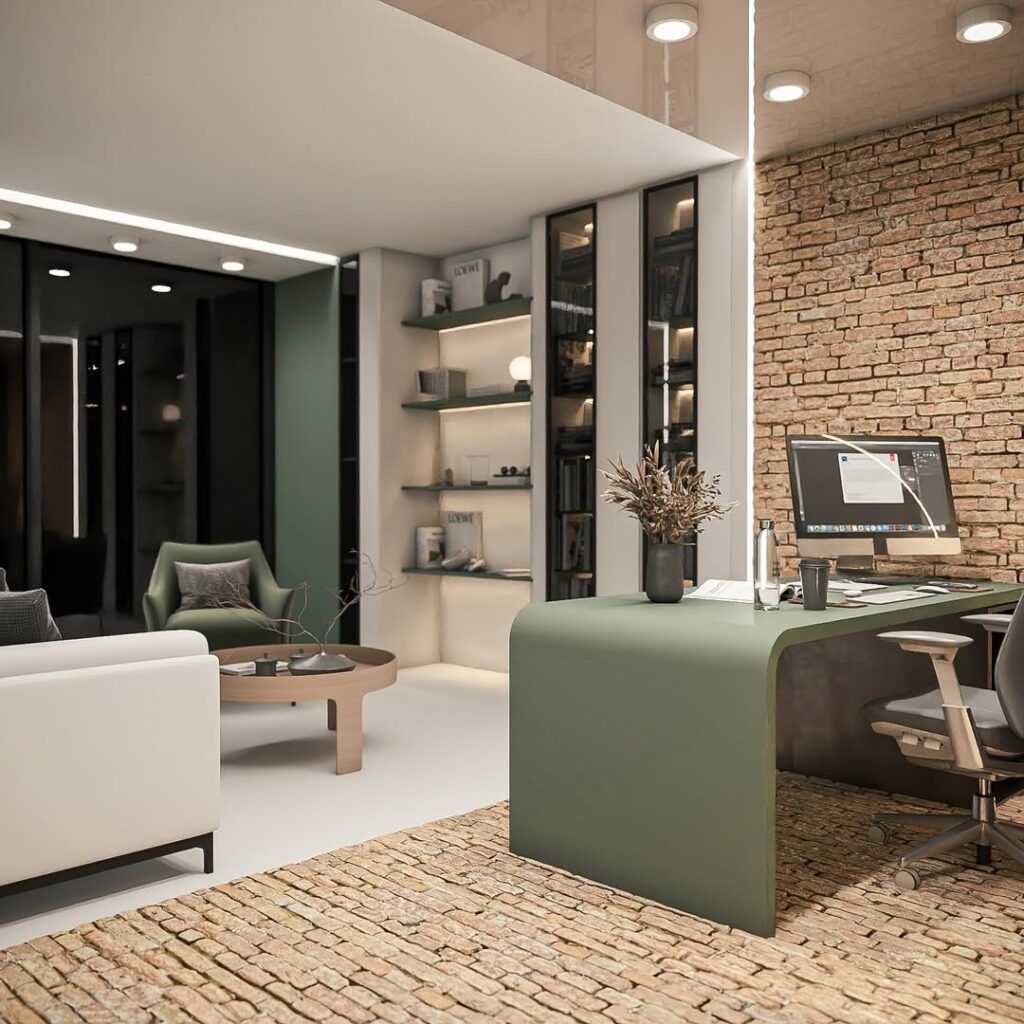
Designing a corporate office is more than choosing furniture and paint colors—it’s about creating an environment that supports productivity, reflects company values, and leaves a lasting impression on employees and visitors alike.
A well-designed corporate office can improve collaboration, boost morale, and enhance brand identity.
Below are 14 detailed corporate office design ideas to help you create a workspace that is both functional and visually appealing.
1. Modern Minimalist Office Design
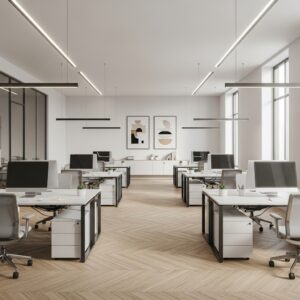
A modern minimalist office focuses on simplicity, clean lines, and clutter-free spaces.
This design uses neutral color palettes such as white, gray, or beige combined with sleek furniture and subtle textures.
By reducing visual distractions, minimalist offices help employees stay focused and organized.
Built-in storage, hidden cables, and streamlined desks contribute to a polished, professional atmosphere that feels calm and efficient.
2. Open-Plan Workspace Layout
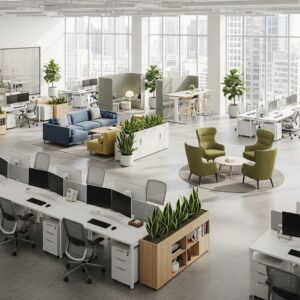
Open-plan office designs encourage communication, teamwork, and transparency.
Removing unnecessary walls allows natural light to flow freely throughout the space, making the office feel larger and more welcoming.
This layout is ideal for creative teams and fast-paced environments, as it promotes collaboration and easy interaction.
To maintain productivity, acoustic panels, plants, and designated quiet zones can be added to manage noise levels.
3. Executive Office Design with Luxury Touches
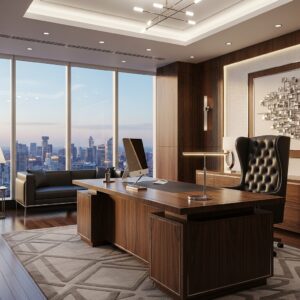
Executive offices should reflect authority, confidence, and professionalism.
High-quality materials like wood, leather, glass, and metal are commonly used to create a refined look.
Large desks, comfortable seating, statement lighting, and elegant décor pieces add sophistication.
Incorporating personalized elements, such as awards or branded artwork, helps reinforce leadership presence while maintaining a polished corporate image.
Read more: 14 Corporate office design for Executive ideas
4. Corporate Office Design with Glass Partitions
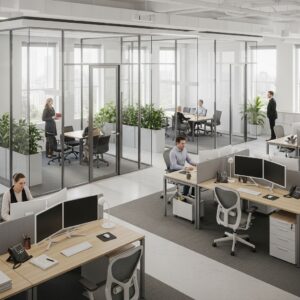
Glass partitions are a popular choice in modern corporate offices because they maintain openness while providing privacy.
Frosted or tinted glass can be used for meeting rooms and executive offices to reduce noise without blocking light.
This design creates a sleek, contemporary appearance and encourages transparency, making the workspace feel inclusive and connected.
5. Ergonomic Office Design for Employee Comfort
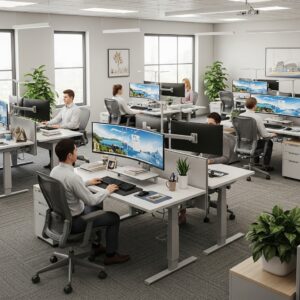
An ergonomic office prioritizes employee health and comfort.
Adjustable chairs, height-adjustable desks, proper lighting, and monitor positioning reduce physical strain and improve posture.
Thoughtful ergonomic design helps prevent workplace injuries and fatigue, leading to increased productivity and employee satisfaction.
Adding footrests, wrist supports, and breakout areas further enhances comfort throughout the workday.
6. Sustainable and Eco-Friendly Office Design
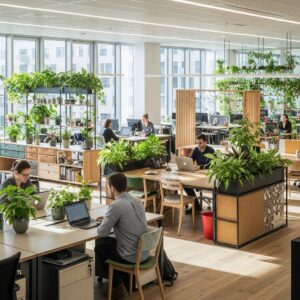
Sustainable office design focuses on environmentally responsible materials and energy-efficient solutions.
Using recycled furniture, low-VOC paints, LED lighting, and energy-saving appliances reduces the office’s carbon footprint.
Indoor plants not only improve air quality but also add a calming, natural element to the workspace.
An eco-friendly office demonstrates corporate responsibility and appeals to environmentally conscious employees and clients.
7. Branded Corporate Office Interior Design
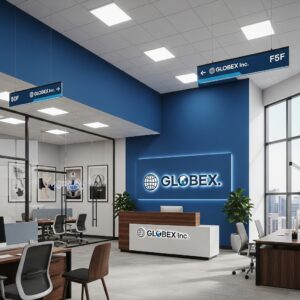
A branded office interior reinforces company identity through colors, logos, and visual elements.
Brand colors can be subtly incorporated into walls, furniture, or décor without overwhelming the space.
Custom signage, motivational quotes, and branded artwork help communicate the company’s mission and values.
This design approach strengthens brand recognition and creates a cohesive, professional environment.
8. Collaborative Meeting and Conference Room Design
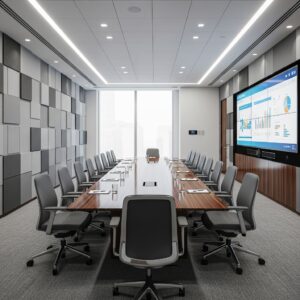
Well-designed meeting rooms enhance communication and decision-making.
Comfortable seating, smart technology, soundproofing, and adequate lighting are essential features.
Incorporating writable walls, digital screens, and flexible furniture allows teams to brainstorm and collaborate effectively.
A thoughtfully designed conference room reflects professionalism and leaves a strong impression on clients and partners.
9. Corporate Office Design with Breakout and Relaxation Areas
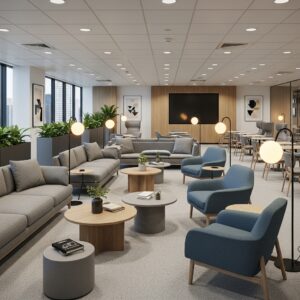
Breakout areas provide employees with spaces to relax, recharge, or have informal discussions.
Comfortable sofas, coffee tables, soft lighting, and calming colors help create a welcoming atmosphere.
These spaces encourage creativity, reduce stress, and improve overall job satisfaction.
Including game corners or quiet lounges can further support work-life balance within the office.
10. Smart Technology-Integrated Office Design
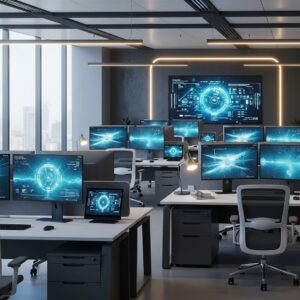
Integrating smart technology into office design improves efficiency and convenience.
Automated lighting, climate control, touchless entry systems, and smart meeting room scheduling streamline daily operations.
Wireless charging stations and advanced communication tools support modern work habits.
A tech-integrated office reflects innovation and keeps the workplace future-ready.
11. Flexible and Modular Office Design
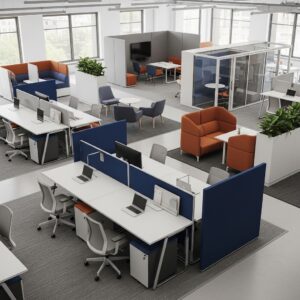
Flexible office design uses modular furniture and adaptable layouts to accommodate changing business needs.
Movable partitions, reconfigurable desks, and multi-purpose spaces allow companies to scale easily.
This design is especially beneficial for growing organizations, as it provides long-term functionality without frequent renovations.
12. Corporate Office Design with Natural Light
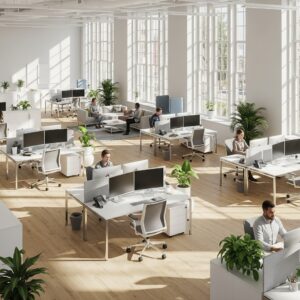
Maximizing natural light improves mood, energy levels, and productivity.
Large windows, skylights, and open layouts help bring daylight into the workspace.
Pairing natural light with light-colored walls and reflective surfaces enhances brightness.
Employees benefit from reduced eye strain and a more positive work environment.
Also check: 20 Office Desk Decor For Work
13. Professional Reception and Waiting Area Design

The reception area is the first impression of a corporate office.
A well-designed reception space should be welcoming, organized, and aligned with the company’s brand.
Comfortable seating, a stylish reception desk, soft lighting, and tasteful décor create a professional atmosphere.
This area sets the tone for visitors and communicates credibility and trust.
14. Corporate Office Design with Art and Décor Elements
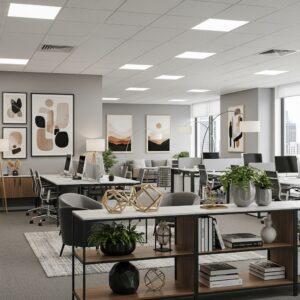
Incorporating art and décor adds personality and warmth to a corporate office.
Wall art, sculptures, framed photographs, and decorative lighting can break the monotony of a formal workspace.
Choosing artwork that aligns with company culture or local themes creates a meaningful connection and enhances visual interest without compromising professionalism.
These 14 corporate office design ideas offer a balance of aesthetics, functionality, and employee well-being.
Whether you’re designing a new office or renovating an existing one, focusing on thoughtful layouts, comfort, branding, and sustainability can transform your workspace into a productive and inspiring environment.
A well-planned corporate office not only supports daily operations but also reflects the values and vision of your organization.