Gardening is a wonderful hands-on activity for kindergarten children.
It encourages curiosity, builds fine motor skills, and introduces basic science concepts in a playful way.
The key is to keep activities simple, colorful, and engaging.
Here are 15 gardening activities perfect for young learners.
1. Planting Big, Easy Seeds
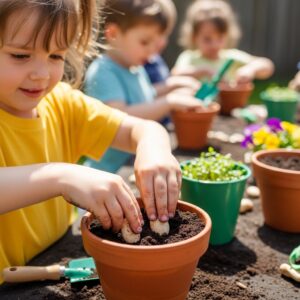
Kindergarten children do best with large seeds like beans, corn, or sunflowers because they are easy to handle.
Teachers or parents can guide them in placing seeds into soft soil and covering them gently.
This activity introduces the concept of planting while improving coordination and confidence as kids complete the task independently.
2. Watering Plants with Small Cups
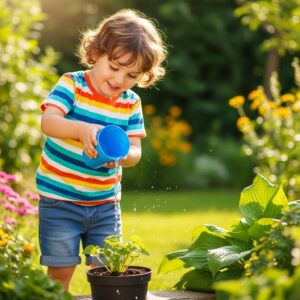
Instead of heavy watering cans, kids can use small cups or mini watering cans to water plants.
This makes the activity manageable and fun.
They learn the importance of caring for living things while practicing controlled movements to avoid overwatering.
3. Growing Plants in Clear Cups
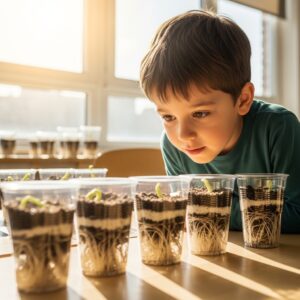
Using transparent cups allows children to see roots growing beneath the soil.
This visual experience helps them understand how plants develop underground.
Watching roots spread and shoots grow above the soil makes learning exciting and interactive.
Also check: 15 Deck Furniture Ideas Without Cushions
4. Decorating Garden Pots
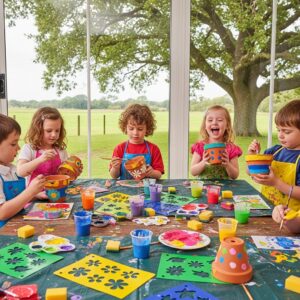
Children love arts and crafts, so decorating plant pots with paint, stickers, or crayons makes gardening more engaging.
Each child can personalize their pot, which builds a sense of ownership and pride in caring for their plant.
5. Sensory Play with Soil
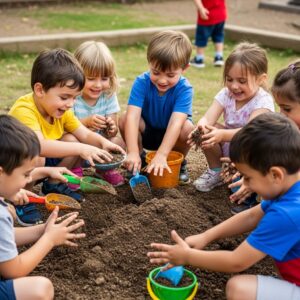
Let children touch, scoop, and explore soil using their hands or small tools.
This sensory activity helps them learn about texture and nature while developing fine motor skills.
Adding elements like sand or water can make the experience even more exciting.
6. Singing Gardening Songs While Planting
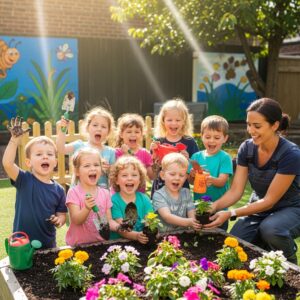
Combining music with gardening keeps young children engaged.
Singing simple songs about planting, watering, and growing helps reinforce learning while making the activity lively and memorable.
Also check: 15 Deck Furniture Ideas with Umbrella
7. Growing Fast Sprouts (Cress or Beans)
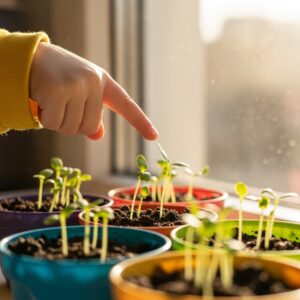
Fast-growing plants like cress or beans are ideal for kindergarteners because they can see results quickly.
Watching tiny sprouts appear within days keeps children excited and motivated to continue caring for their plants.
8. Simple Garden Story Time

Teachers or parents can read garden-themed stories while children sit near plants or outdoors.
This connects literacy with real-life experiences and helps children understand nature in a fun and imaginative way.
9. Making Plant Name Cards
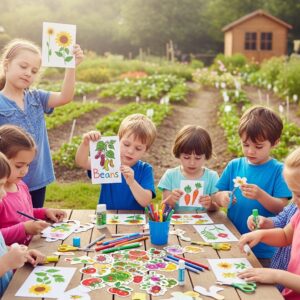
Children can create simple name cards using drawings or stickers to label their plants.
Even if they can’t write yet, they can use symbols or pictures.
This helps with recognition and early learning skills.
10. Picking Flowers or Leaves
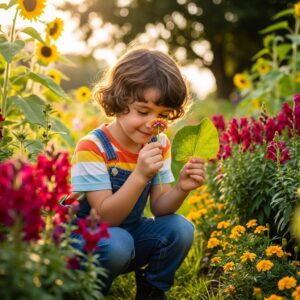
Allow children to gently pick flowers or leaves under supervision.
This activity helps them explore different shapes, colors, and textures while learning to handle plants carefully and respectfully.
11. Creating a Mini Garden Tray
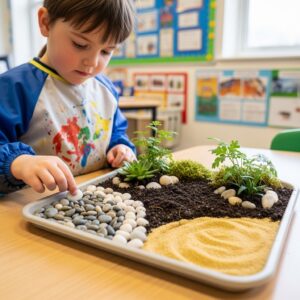
A small tray filled with soil, pebbles, and tiny plants can act as a mini garden.
Kids can arrange and rearrange elements, encouraging creativity and imagination while learning basic gardening concepts.
12. Watching Insects in the Garden
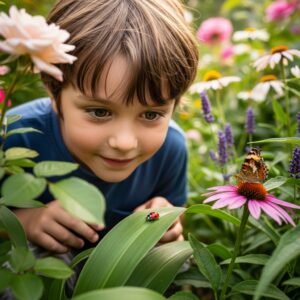
Kindergarten children are naturally curious about bugs.
Observing butterflies, ants, or ladybugs in the garden teaches them about living creatures and ecosystems.
This activity builds curiosity and respect for nature.
Also check: 15 Deck Furniture Ideas Off the Back of House
13. Harvesting Simple Crops
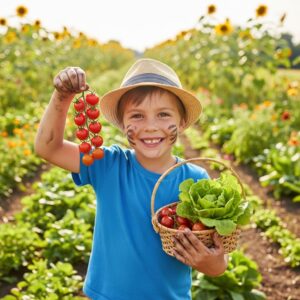
Children can pick easy-to-grow crops like lettuce or small tomatoes.
Harvesting teaches them patience and gives them a sense of achievement.
They also begin to understand where food comes from.
14. Matching Plants with Pictures
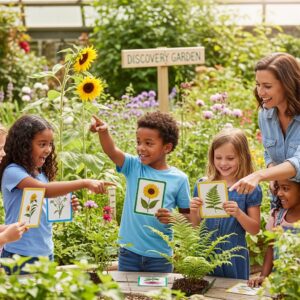
Create a simple matching game where children connect real plants with picture cards.
This helps improve memory and recognition while reinforcing plant identification in a fun way.
15. Daily Garden Check Routine
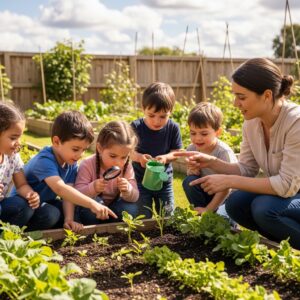
Establishing a daily routine where children check on plants—looking for growth, watering needs, or changes—builds responsibility.
It also teaches observation skills and helps them stay connected to their gardening project.
Also check: 15 Deck Furniture Ideas Layout Set
Gardening activities for kindergarten should focus on fun, exploration, and simplicity.
By combining play, creativity, and hands-on learning, these activities help children develop important skills while fostering a love for nature.
With guidance and encouragement, gardening can become a joyful and meaningful part of early childhood learning. 🌱