Gardening is one of the best ways to help preschoolers explore the world around them.
Young children love touching dirt, watering plants, and discovering bugs and flowers in the garden.
These simple gardening activities help preschoolers build fine motor skills, practice patience, learn about nature, and enjoy hands-on play.
The best part is that most of these activities use inexpensive supplies and can be done in a backyard, on a porch, or even indoors near a sunny window.
1. Planting Seeds in Small Cups
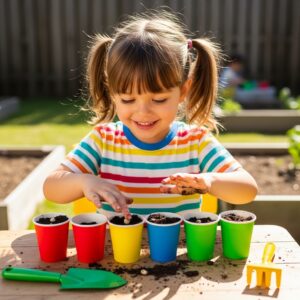
Planting seeds in small paper or plastic cups is an easy gardening activity for preschoolers because it lets them watch a plant grow from the very beginning.
Give each child a cup filled with potting soil and let them poke a small hole with their finger.
Preschoolers can drop in easy-to-grow seeds like beans, sunflowers, or peas, then cover them gently with soil. After watering the cup lightly, place it in a sunny spot.
Every day, encourage the children to check their cup and talk about any changes they see.
They will be excited when the first green sprout appears, and this activity teaches them that plants need sunlight, water, and time to grow.
2. Watering Plants with a Small Watering Can
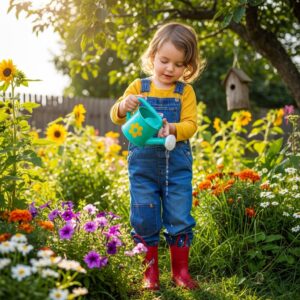
Preschoolers love carrying their own tiny watering can, which makes this activity both fun and helpful.
Fill a child-sized watering can with a small amount of water so it is easy for little hands to carry.
Show the children how to pour slowly near the roots of the plant instead of splashing everywhere.
Let them water flowers, vegetables, or potted plants around the yard.
While they work, talk about why plants need water and what might happen if they do not get enough.
This activity also helps preschoolers practice hand control, coordination, and responsibility.
3. Making a Mini Fairy Garden
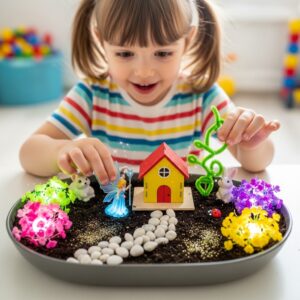
Creating a mini fairy garden is a creative activity that combines gardening with imaginative play.
Use a shallow planter, flower pot, or small section of the garden.
Let preschoolers add soil, small plants, pebbles, sticks, and tiny decorations such as toy animals or little houses.
Children can arrange the items however they like to make a magical garden space.
Encourage them to water the plants and keep the fairy garden looking nice.
This activity keeps preschoolers interested in gardening because they feel like they are taking care of a tiny world of their own.
Also check: 15 Gardening Activities for Infants
4. Digging in a Garden Sensory Bin
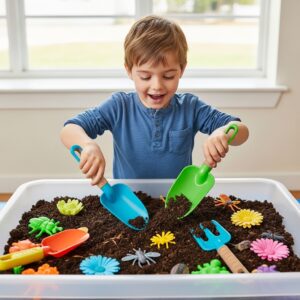
A garden sensory bin is perfect for preschoolers who are not quite ready for a full outdoor garden.
Fill a large plastic bin with potting soil, dried beans, fake flowers, child-safe garden tools, and small plastic insects.
Children can scoop, dig, pour, and bury objects while pretending they are planting a garden.
You can even hide toy vegetables in the soil for them to discover.
This activity helps preschoolers explore different textures and strengthens the small muscles in their hands.
5. Growing Grass Heads
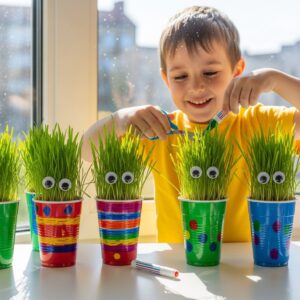
Grass heads are silly and exciting for preschoolers because they can watch “hair” grow on a funny face.
Fill an old stocking or sock with grass seed and soil, then tie it closed.
Decorate the outside with googly eyes, markers, or felt to create a face.
Place the grass head in a cup with a little water and set it near a sunny window.
Within a few days, the grass will begin to grow from the top.
Preschoolers love trimming the grass with child-safe scissors and giving their grass head a funny haircut.
6. Collecting Leaves and Flowers
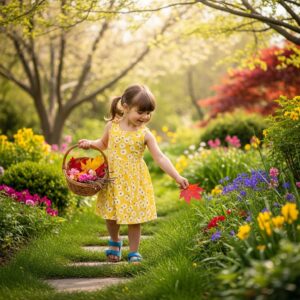
Take preschoolers on a nature walk around the yard, park, or garden and ask them to collect interesting leaves, flower petals, and small twigs.
Give each child a small basket or paper bag for their treasures.
Once they finish collecting, sit together and look at the different shapes, colors, and textures.
Talk about which leaves are smooth, rough, large, or tiny.
You can also glue the items onto paper to make a simple nature collage.
This activity helps preschoolers notice details and learn more about the plants around them.
7. Painting Flower Pots
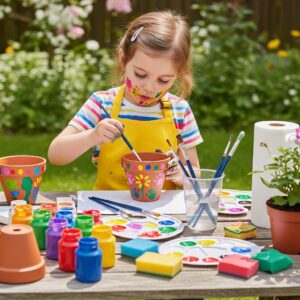
Painting flower pots is a fun gardening craft that preschoolers can use later for planting.
Give each child a small terracotta or plastic flower pot and washable paint.
Let them decorate the outside with dots, stripes, handprints, flowers, or their favorite colors.
After the paint dries, help them fill the pot with soil and plant seeds or a small flower inside.
Preschoolers will feel proud when they see a plant growing in the pot they decorated themselves.
8. Planting a Rainbow Garden
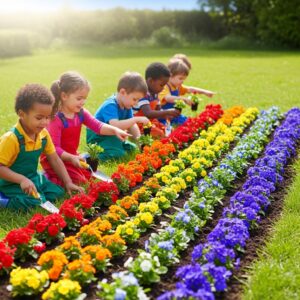
A rainbow garden teaches preschoolers about colors while they garden.
Choose flowers or vegetables in different colors, such as red tomatoes, orange marigolds, yellow sunflowers, green lettuce, purple pansies, and blue flowers if available.
Help the children plant them in rainbow order.
As the plants grow, preschoolers can point out each color and learn the names of the plants.
This activity makes the garden bright and cheerful while also helping children practice color recognition.
9. Hunting for Bugs in the Garden
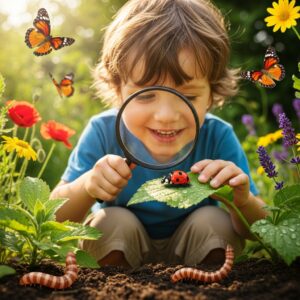
Preschoolers are naturally curious about bugs, so a bug hunt is an exciting gardening activity.
Give children a magnifying glass and help them carefully look under leaves, near flowers, and around the soil.
They may find ladybugs, worms, ants, butterflies, or bees.
Talk about how many bugs help gardens by pollinating flowers or keeping the soil healthy.
Remind children to observe gently and not touch anything that might sting.
A bug hunt helps preschoolers become more comfortable outdoors and teaches them that even tiny creatures are important.
Also check: 15 Gardening Activities for Kindergarten
10. Making Plant Markers
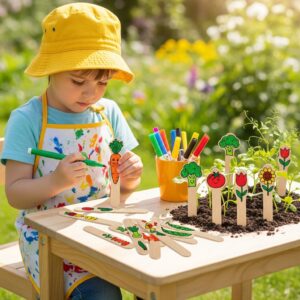
Plant markers help preschoolers remember what they planted.
Use craft sticks, stones, or pieces of cardboard.
Let the children draw pictures of flowers, vegetables, or herbs and write the plant names if they are learning letters.
Then place the markers in the soil beside each plant.
Preschoolers enjoy checking their markers each day and seeing whether their seeds have started to grow.
This activity is also a simple way to practice early reading and writing skills.
11. Growing Herbs in the Kitchen
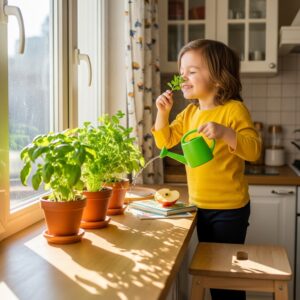
A small kitchen herb garden is perfect for preschoolers because it can be grown indoors.
Use small pots or recycled containers to plant easy herbs like basil, mint, or parsley.
Place the pots on a sunny windowsill and let the children water them every few days.
Encourage preschoolers to smell the leaves and talk about how each herb has a different scent.
Later, you can use the herbs while cooking so children can see that the plants they grew can also be eaten.
12. Making Mud Pies in the Garden
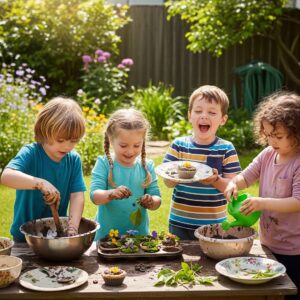
Mud pie play is messy, simple, and perfect for preschoolers.
Give children bowls, spoons, old muffin tins, and a small patch of dirt mixed with water.
They can scoop, stir, and pretend to bake muddy cakes decorated with leaves, flowers, or pebbles.
Although it may not seem like a traditional gardening activity, mud play helps children become comfortable with soil and enjoy being outside.
It also encourages pretend play, creativity, and sensory exploration.
13. Creating a Butterfly-Friendly Garden
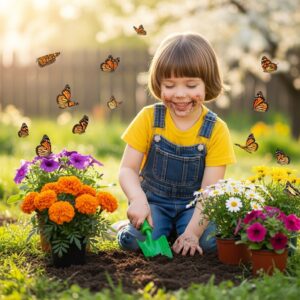
Preschoolers can help create a special garden space for butterflies by planting flowers that attract them.
Choose bright flowers such as marigolds, zinnias, or daisies.
Let the children help dig small holes, place the flowers in the soil, and water them.
Over time, butterflies may begin to visit the garden.
Preschoolers will love watching them flutter from flower to flower.
This activity teaches children that gardens are homes for many living things.
Also check: 15 Gardening Activities for Children
14. Measuring Plant Growth
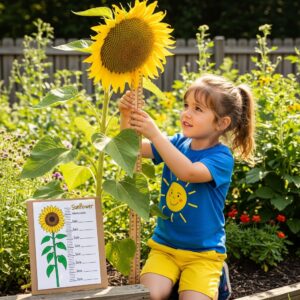
Measuring plants is a simple way to bring a little learning into gardening time.
Once the seeds or flowers begin to grow, help preschoolers use a ruler or measuring tape to see how tall the plants are.
Write the measurements on a chart every few days. Ask questions such as, “Which plant is the tallest?” or “Which one grew the most this week?”
Preschoolers enjoy seeing the numbers change, and this activity introduces them to basic math in a fun and meaningful way.
15. Harvesting Vegetables and Tasting Them
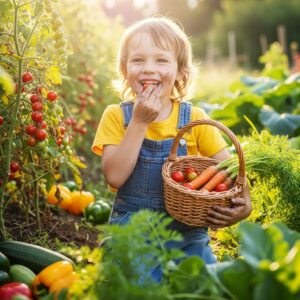
The most exciting gardening activity for preschoolers is harvesting the plants they helped grow.
If you planted vegetables such as cherry tomatoes, carrots, peas, or lettuce, let the children pick them when they are ready.
Show them how to pull gently or twist carefully so the plant does not break.
Wash the vegetables and let the preschoolers taste what they grew.
Children are often more willing to try healthy foods when they have grown them themselves.
Harvesting teaches patience and gives preschoolers a wonderful sense of pride.
Also check: 14 Gardening Activities for Seniors
Gardening activities for preschoolers do not need to be complicated to be meaningful.
Whether children are planting seeds, hunting for bugs, watering flowers, or making mud pies, they are learning through play.
These simple activities help preschoolers build confidence, explore nature, and develop important skills while having fun outdoors.
With a little soil, a few seeds, and lots of curiosity, every preschooler can become a happy little gardener.