Gardening is one of the best hands-on learning experiences for toddlers. It helps them explore nature, build sensory awareness, and develop early motor skills in a fun, low-pressure way.
At this age, activities should be simple, safe, and focused on exploration rather than results.
Below are 15 engaging gardening activities designed specifically for toddlers, each one encouraging curiosity, creativity, and connection with the natural world.
1. Digging in Soft Soil
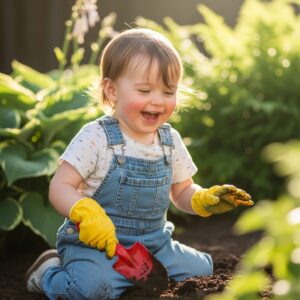
Toddlers love digging because it feels like a natural form of play.
Provide a small patch of soft, loose soil or a container filled with potting mix where they can safely dig using child-sized shovels or even their hands.
The goal isn’t planting yet—it’s simply letting them feel textures, watch soil move, and discover what’s underneath.
You can hide small toys or smooth stones for them to uncover, turning it into a gentle treasure hunt that builds excitement about gardening.
2. Watering Plants with Small Watering Cans
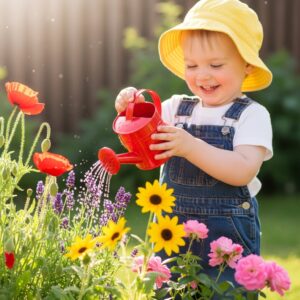
Give toddlers a lightweight, easy-to-hold watering can filled with a small amount of water.
Show them how to gently water flowers or potted plants.
This activity teaches responsibility and coordination while giving them a sense of importance in caring for living things.
They may spill water at first, but that’s part of the learning process.
Choose sturdy plants so they don’t get damaged by overwatering.
3. Planting Large Seeds
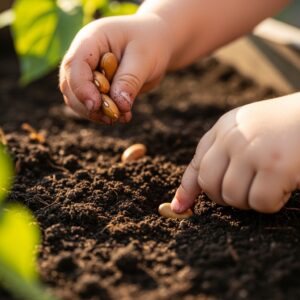
Large seeds like beans or sunflower seeds are perfect for little hands.
Toddlers can press seeds into soft soil and cover them lightly.
This activity introduces the concept of planting and growth in a very simple way.
They won’t fully understand the science yet, but they will enjoy the repetitive motion and the idea that something “will grow later” because of what they did.
Also check: 14 Early Spring Front Porch Ideas
4. Picking Flowers or Leaves
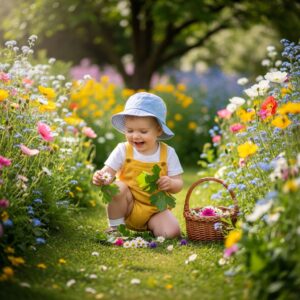
Allow toddlers to gently pick fallen flowers or safe garden leaves.
This helps them explore colors, shapes, and textures.
You can guide them to collect different types and talk about what they see.
It also helps build observation skills and encourages appreciation of nature’s variety without requiring careful gardening technique.
5. Sorting Natural Objects
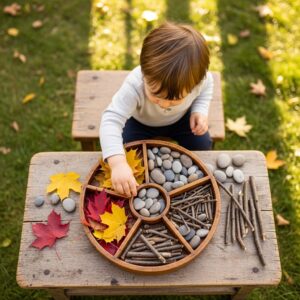
Collect safe outdoor items like leaves, pebbles, sticks, and flowers.
Let toddlers sort them by color, size, or shape on a flat surface or tray.
This simple activity builds early classification skills and pattern recognition.
It also keeps them engaged even when they are not actively planting or digging.
6. Creating a Mini Garden in a Pot
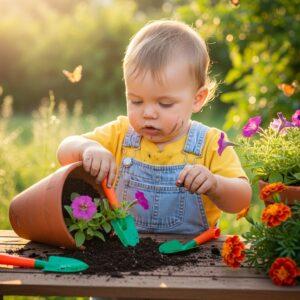
Give toddlers a small pot, soil, and a few easy-to-grow plants or seeds.
Let them help fill the pot, press soil, and place seeds or seedlings inside.
This becomes their “own garden,” which encourages pride and responsibility.
You can place it somewhere visible so they can observe daily changes and feel connected to their plant.
Also check: 15 Gardening Activities for Kids Preschool
7. Sensory Herb Exploration
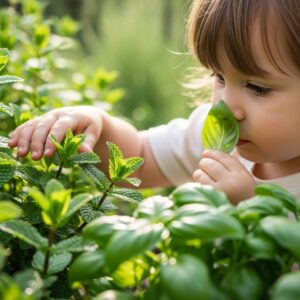
Introduce toddler-friendly herbs like mint or basil.
Let them touch, smell, and gently rub the leaves between their fingers.
This sensory activity is especially engaging because of the strong scents and soft textures.
It helps develop vocabulary as you describe smells like “fresh,” “sweet,” or “earthy.”
8. Water Painting on Pavement
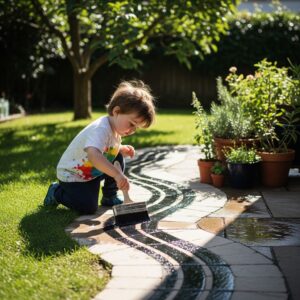
Fill a small bucket with water and give toddlers a paintbrush.
Let them “paint” fences, stones, or sidewalks.
As the water evaporates, they can paint again and again.
This activity is perfect for hot days and helps build fine motor skills while keeping gardening play simple and mess-free.
9. Gardening Tool Exploration
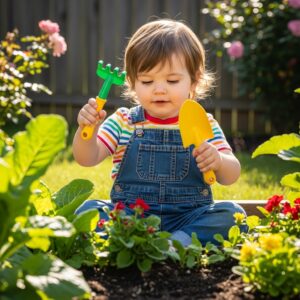
Provide safe, child-sized tools like small rakes, trowels, and gloves.
Let toddlers explore how each tool feels and what it does.
They might mimic adult gardening actions, which is a key part of learning at this age.
The focus is on familiarity and comfort, not proper usage techniques.
10. Planting Grass in a Tray
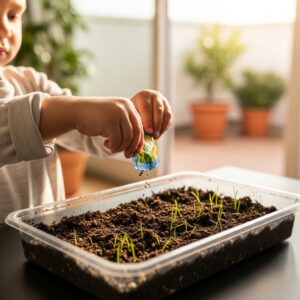
Fill a shallow tray with soil and sprinkle grass seeds on top.
Toddlers can help water it daily and watch the grass grow quickly.
This fast-growing project keeps their attention and teaches them that plants change over time with care.
It’s an excellent introduction to growth cycles.
11. Nature Color Hunt
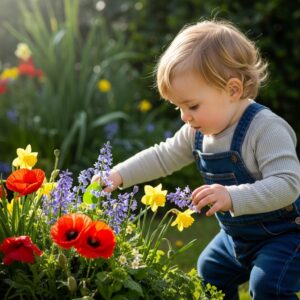
Give toddlers a simple color chart and ask them to find matching colors in the garden—green leaves, yellow flowers, brown soil, etc.
This turns gardening into a playful learning game that builds observation skills and color recognition while keeping them active outdoors.
12. Rock Painting for Garden Decoration
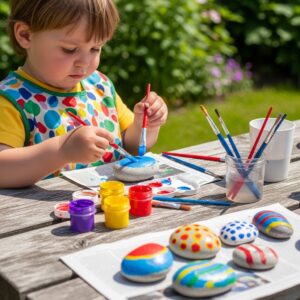
Collect smooth stones and let toddlers paint them with non-toxic paints.
Once dry, place them in the garden as decorations.
This activity blends creativity with outdoor play and gives toddlers a sense of contribution to the garden’s appearance.
Also check: 15 Gardening Activities for Infants
13. Helping Transplant Small Plants
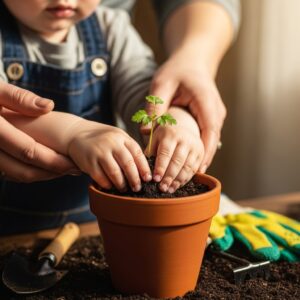
With supervision, let toddlers help move small seedlings from one pot to another.
They can scoop soil, hold plants gently, and pat soil down.
This introduces them to the idea of plant care and growth stages while encouraging gentle handling skills.
14. Garden Story Time

Set up a comfortable spot in the garden and read short nature-themed stories.
Being surrounded by plants while listening to stories helps toddlers associate gardening with relaxation and imagination.
You can point out real-life plants or insects mentioned in the story for added engagement.
15. Bug and Insect Observation
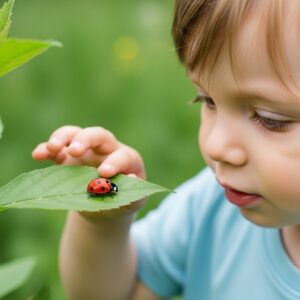
Encourage toddlers to observe harmless insects like ants, butterflies, or ladybugs from a safe distance.
Use simple language to describe what they see.
This activity builds curiosity about ecosystems and teaches respect for living creatures, while reinforcing patience and quiet observation.
Also check: 15 Gardening Activities for Adults
Gardening with toddlers is less about achieving perfect results and more about building early curiosity and joyful experiences with nature.
With these simple activities, you can help them develop confidence, sensory awareness, and a lifelong appreciation for the outdoors.