Gardening is one of the most rewarding hobbies for adults because it combines creativity, relaxation, exercise, and the satisfaction of watching something grow.
Whether you have a large backyard, a few raised beds, or a tiny balcony, there are plenty of gardening activities that can make your outdoor space more enjoyable and productive.
From planting flowers to building garden projects, these ideas can help you stay active, reduce stress, and create a beautiful environment you will love spending time in.
1. Create a Herb Garden
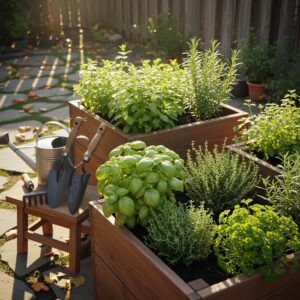
Starting a herb garden is one of the easiest and most practical gardening activities for adults.
Herbs such as basil, mint, rosemary, thyme, parsley, and cilantro grow well in containers, raised beds, or small garden spaces.
Begin by choosing a sunny location that receives at least six hours of sunlight each day.
Fill your containers or garden bed with nutrient-rich soil and plant a variety of herbs that you regularly use in cooking.
Caring for a herb garden involves watering, trimming, and harvesting the plants regularly, which encourages more growth.
Beyond the gardening experience itself, a herb garden gives you fresh ingredients for meals, teas, and even homemade beauty products.
2. Plant a Vegetable Garden
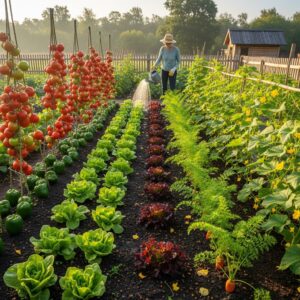
Growing your own vegetables is both rewarding and cost-effective.
A vegetable garden can include tomatoes, peppers, lettuce, cucumbers, beans, carrots, and other favorites depending on your climate and available space.
Start by planning the layout carefully so that taller plants do not block sunlight from shorter ones.
Prepare the soil by mixing in compost and removing weeds before planting.
As the plants grow, you will need to water consistently, stake climbing vegetables, and check for pests.
Watching your garden transform from tiny seedlings into a productive harvest can give you a sense of accomplishment, and the fresh vegetables often taste far better than store-bought produce.
Also check: 15 Gardening Activities for Preschoolers
3. Build a Raised Garden Bed
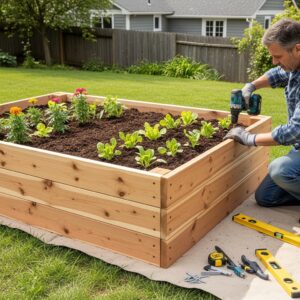
Building a raised garden bed is an excellent activity for adults who want a more organized and manageable garden.
Raised beds are easier to maintain because they improve drainage, reduce weeds, and make gardening more comfortable by reducing the need to bend down as much.
You can build one using wood, stone, or metal edging, then fill it with high-quality soil and compost.
Raised beds are perfect for vegetables, herbs, and flowers, and they allow you to control the soil conditions more effectively.
Once your raised bed is complete, you can personalize it with decorative borders, plant markers, or even a trellis for climbing plants.
4. Start a Flower Cutting Garden
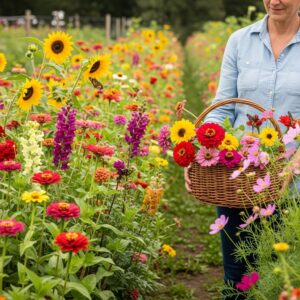
A flower cutting garden is designed specifically for growing flowers that you can bring indoors and arrange in vases.
Choose long-lasting blooms such as zinnias, sunflowers, dahlias, cosmos, marigolds, and snapdragons.
Plant them in rows or clusters so they are easy to access when it is time to cut them.
The process of selecting flowers, arranging colors, and creating bouquets adds an artistic element to gardening.
Throughout the growing season, you can enjoy fresh flowers in your home without spending money at a florist.
A cutting garden also attracts butterflies, bees, and other pollinators, making your outdoor space feel even more vibrant.
5. Make Your Own Compost
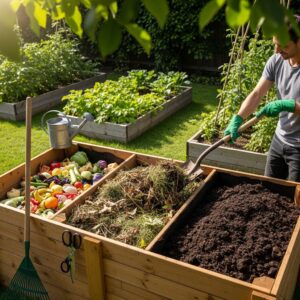
Composting is a simple but meaningful gardening activity that helps reduce waste while improving the quality of your soil.
Start by collecting kitchen scraps such as fruit peels, coffee grounds, eggshells, and vegetable trimmings.
Add these to a compost bin along with dry materials like leaves, shredded newspaper, and small twigs.
Over time, the materials break down into nutrient-rich compost that can be added to your garden.
Turning the compost pile every few weeks speeds up the process and keeps it from smelling unpleasant.
Adults often enjoy composting because it feels sustainable and gives them a practical way to recycle household waste while feeding their plants naturally.
6. Design a Butterfly and Pollinator Garden
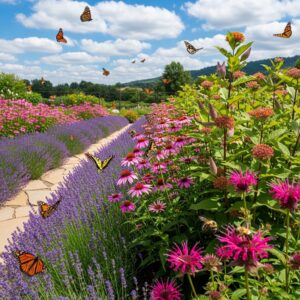
Creating a pollinator-friendly garden is a wonderful activity for adults who enjoy wildlife and want to support the environment.
Plant flowers that attract butterflies, bees, and hummingbirds, such as lavender, coneflowers, milkweed, bee balm, and black-eyed Susans.
Arrange the plants in groups so pollinators can easily find them, and avoid using harsh chemical pesticides that may harm beneficial insects.
You can also add a shallow dish of water, small rocks for butterflies to rest on, and native plants that thrive in your region.
A pollinator garden not only looks beautiful, but it also helps important species that play a key role in the ecosystem.
7. Create a Succulent or Cactus Garden
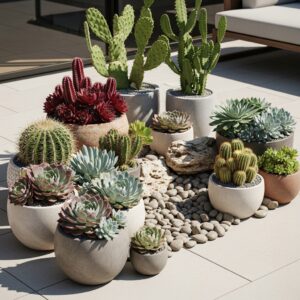
Succulents and cacti are ideal for adults who want a low-maintenance gardening activity.
These plants require very little water and can thrive in containers, decorative bowls, or outdoor rock gardens.
Choose a variety of shapes, colors, and textures to create an eye-catching display.
Before planting, make sure you use well-draining soil specifically made for succulents and cacti.
Arrange taller plants in the back and smaller ones in the front for a layered effect.
Because these plants grow slowly and need minimal care, they are perfect for busy adults who still want the relaxing experience of tending a garden.
Also check: 15 Gardening Activities for Kindergarten
8. Learn the Art of Pruning
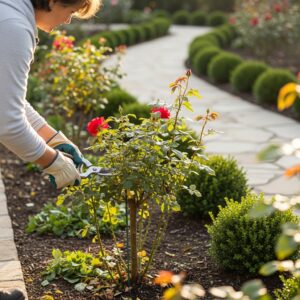
Pruning is an important gardening skill that can improve the health and appearance of trees, shrubs, roses, and other plants.
This activity involves trimming away dead, damaged, or overgrown branches so the plant can focus its energy on new growth.
Adults often find pruning surprisingly satisfying because it instantly transforms messy plants into neat and attractive ones.
Before you begin, research the correct pruning time and method for each type of plant, since different plants require different techniques.
Using sharp pruning shears and making clean cuts will help prevent damage and disease.
Over time, learning how to prune properly can make your entire garden healthier and more productive.
9. Build a Garden Pathway
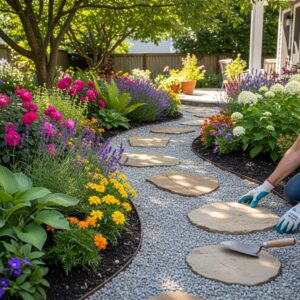
Adding a pathway to your garden is both a practical and creative project.
A garden path can be made from stepping stones, gravel, bricks, wood slices, or even recycled materials.
Begin by planning where you want the path to lead, whether it is to a flower bed, a seating area, or a vegetable garden.
Then clear the ground, level the surface, and place your chosen materials in a pattern that suits your style.
A pathway helps define different sections of the garden while making it easier to walk through after rain or watering.
It also gives the entire space a more polished and professional appearance.
10. Grow Plants from Seeds
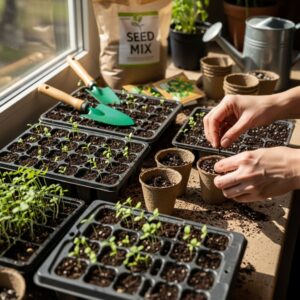
Growing plants from seeds is a rewarding activity because you get to watch the entire life cycle from beginning to end.
Start by choosing seeds for vegetables, flowers, or herbs that you would like to grow.
Fill seed trays or small pots with moist seed-starting mix, plant the seeds according to the packet instructions, and place them in a warm, sunny location.
As the seedlings emerge, they will need regular watering and eventually larger containers or a place in the garden.
Many adults enjoy this process because it teaches patience and provides a deeper understanding of how plants grow.
It is also much less expensive than buying fully grown plants from a garden center.
11. Build a Vertical Garden
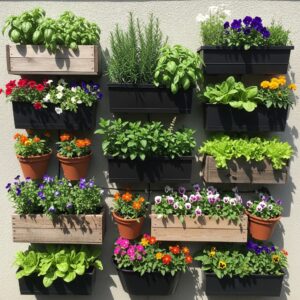
A vertical garden is perfect for adults with limited space because it allows plants to grow upward instead of outward.
You can use hanging planters, wall-mounted shelves, trellises, or even recycled pallets to create your vertical garden.
This type of garden works well for herbs, strawberries, lettuce, ivy, and flowering vines.
Arrange the plants so that the ones needing the most sunlight are at the top while shade-tolerant plants are lower down.
A vertical garden can turn a plain wall, balcony, or fence into a lush green feature.
It is also a great way to make the most of small outdoor spaces while adding visual interest.
12. Create a Relaxing Garden Seating Area
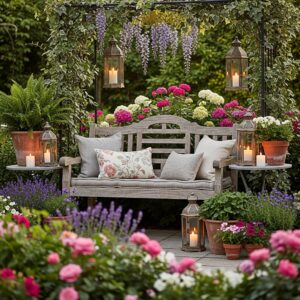
Transforming part of your garden into a peaceful seating area can make your outdoor space more enjoyable and inviting.
Choose a quiet corner and add a bench, chair, hammock, or small table set.
Surround the area with flowers, potted plants, or climbing vines to create a cozy atmosphere.
You could also add outdoor lighting, lanterns, or decorative stones to make the space feel even more special.
Gardening is not only about working in the soil; it is also about creating a place where you can relax and appreciate your efforts.
A seating area gives you the perfect spot to read, enjoy a cup of tea, or simply spend time outdoors.
13. Try Container Gardening
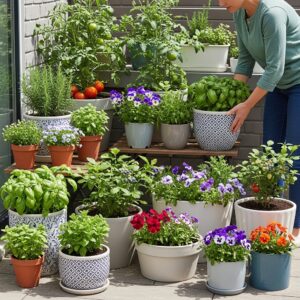
Container gardening is a flexible activity that works well for patios, balconies, porches, and small yards.
You can grow flowers, herbs, vegetables, and even small fruit trees in pots and containers of different sizes.
The key is choosing containers with drainage holes and using the right type of soil for the plants you want to grow.
Container gardening gives you the freedom to move plants around depending on the season, sunlight, or decorative arrangement.
Adults often enjoy experimenting with different container styles, colors, and plant combinations to create a personalized look.
14. Keep a Gardening Journal
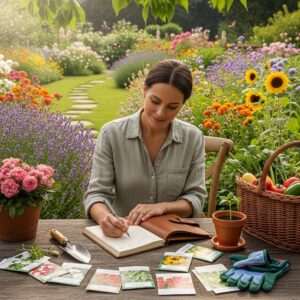
Keeping a gardening journal is an activity that helps you track your progress and become a better gardener over time.
Use a notebook or digital app to record what you plant, when you plant it, and how each plant performs.
You can also write down weather conditions, watering schedules, pest problems, and successful techniques.
Over time, your journal becomes a valuable reference that helps you avoid mistakes and repeat what worked well.
Many adults enjoy journaling because it turns gardening into an ongoing learning experience and allows them to look back on how much their garden has changed.
15. Join a Community Garden
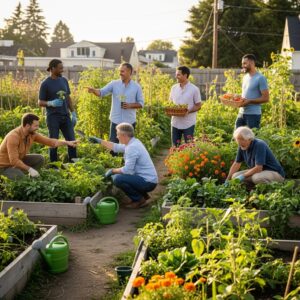
Joining a community garden is a wonderful way for adults to combine gardening with social interaction.
Community gardens are shared spaces where people work together to grow vegetables, flowers, and other plants.
If you do not have enough space at home, a community garden can give you access to a larger area to plant and experiment.
Working alongside other gardeners also allows you to exchange tips, ideas, and advice.
Many community gardens organize events, workshops, and seasonal activities that make the experience even more enjoyable.
Beyond the gardening itself, participating in a community garden can help you build friendships and feel more connected to your neighborhood.
Gardening activities for adults can be as simple or as creative as you want them to be.
Whether you choose to grow vegetables, build a raised bed, create a pollinator garden, or simply relax in a beautiful outdoor space, gardening offers countless benefits.
It can reduce stress, improve your mood, provide gentle exercise, and give you a rewarding sense of achievement.
Try a few of these activities and discover which ones inspire you the most.
With time and care, your garden can become one of your favorite places to spend time.