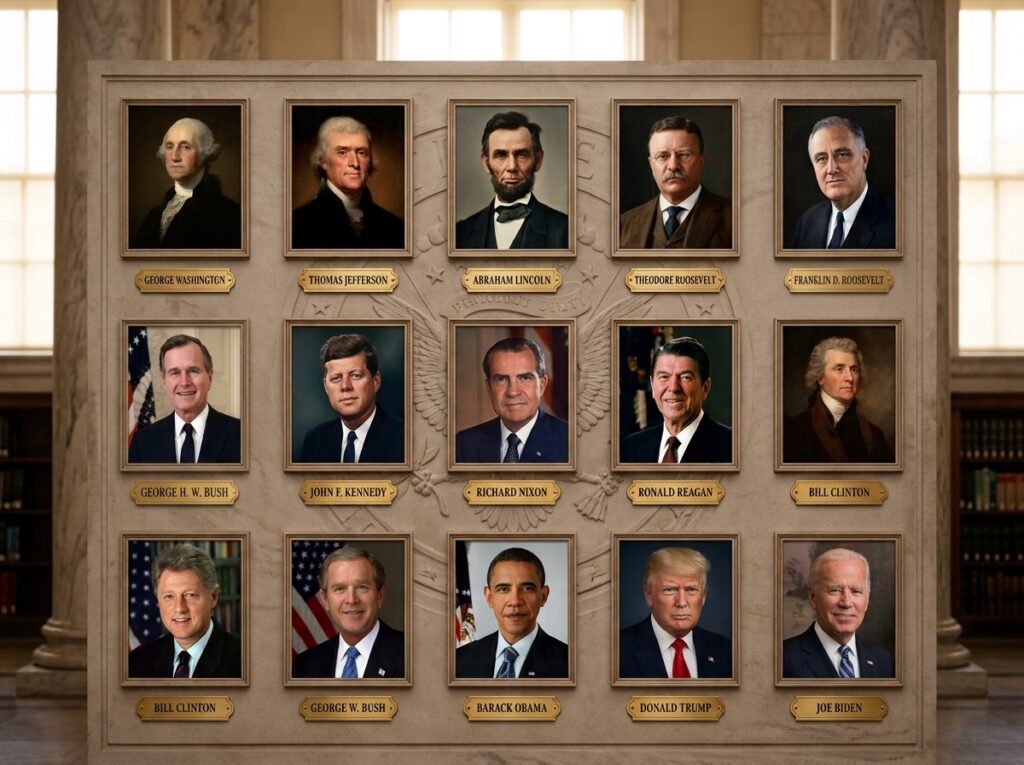
The presidency of the United States is one of the most powerful positions in the world, but it comes with a time limit. After four or eight years in office, every president eventually leaves the White House and begins a completely different chapter of life.
Some former presidents stepped away from politics and focused on family, writing, or humanitarian work. Others remained active in public debates, built organizations, or continued influencing American life long after their presidency ended.
So what really happens after a president leaves the White House? Here is a look at how some former U.S. presidents spent their years after leaving office.
George Washington: Returning to Private Life
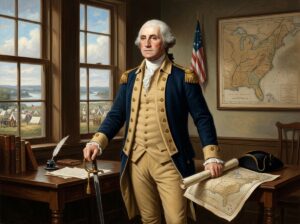
After serving as the first president of the United States from 1789 to 1797, George Washington made a historic decision: he voluntarily stepped away from power.
Washington returned to his estate at Mount Vernon, Virginia, where he focused on managing his property and spending time away from politics. Although he remained an important national figure, he did not seek another term in office.
His decision helped establish the tradition that presidents should eventually leave power peacefully.
Thomas Jefferson: Writing, Learning, and Building a Legacy
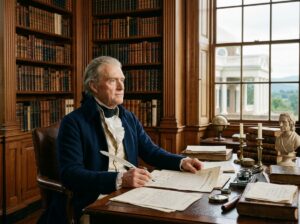
After leaving office in 1809, Thomas Jefferson returned to his home at Monticello.
During retirement, Jefferson focused on education, farming, reading, and writing. One of his greatest post-presidential achievements was helping establish the University of Virginia.
Although he no longer held political office, Jefferson continued sharing his ideas about government, education, and American society.
Theodore Roosevelt: Continuing Public Service
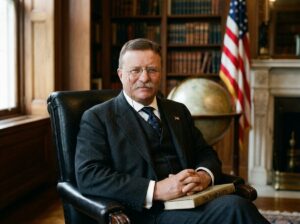
Theodore Roosevelt left the presidency in 1909 but remained one of America’s most active former presidents.
Instead of quietly retiring, Roosevelt continued his involvement in public life. He traveled, wrote books, explored new places, and remained involved in political discussions.
He even launched another presidential campaign in 1912, showing that some presidents continue seeking influence after leaving office.
Herbert Hoover: Rebuilding His Reputation
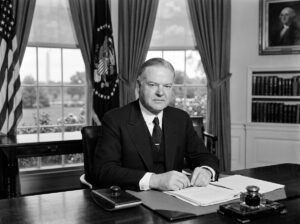
After losing the 1932 election during the Great Depression, Herbert Hoover left office facing heavy criticism.
However, after his presidency, Hoover dedicated much of his life to humanitarian efforts. He worked on international relief projects and later advised several presidents.
Over time, his post-presidential work helped reshape how many people viewed his public service.
Harry Truman: Living a Simple Life
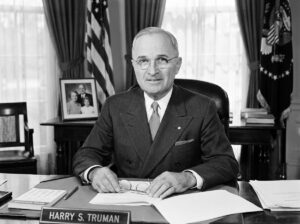
After leaving office in 1953, Harry Truman returned to his hometown of Independence, Missouri.
Unlike modern presidents, Truman did not leave office with a large speaking career or major financial opportunities. He lived a relatively modest life and remained involved in historical projects and public discussions.
Truman later became respected for his honesty, leadership during difficult times, and willingness to make tough decisions.
Dwight Eisenhower: Writing and Advising the Nation
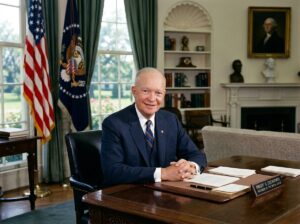
After leaving the White House in 1961, Dwight Eisenhower moved to his farm in Pennsylvania.
He wrote his memoirs, painted, and continued speaking about national security and leadership. As a former military leader and president, Eisenhower remained an influential voice on important issues.
Jimmy Carter: Becoming a Global Humanitarian
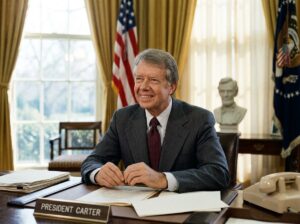
Jimmy Carter’s life after the presidency became one of the most well-known examples of post-presidential service.
After leaving office in 1981, Carter created the Carter Center, an organization focused on promoting democracy, improving health, and supporting humanitarian causes around the world.
His work after the presidency earned him the Nobel Peace Prize in 2002.
Ronald Reagan: Remaining a Conservative Icon
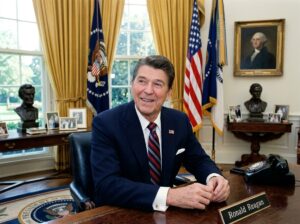
After leaving office in 1989, Ronald Reagan moved into a quieter life but remained an influential figure in American politics.
He gave speeches, worked on his presidential library, and continued communicating with supporters. His presidency continued to shape political discussions long after he left office.
Bill Clinton: Global Advocacy and Public Speaking
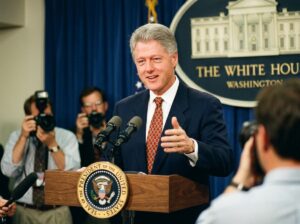
After leaving the White House in 2001, Bill Clinton remained highly active through the Clinton Foundation.
He became involved in global health initiatives, disaster relief efforts, and international development programs. Clinton also became a frequent speaker and continued participating in political conversations.
George W. Bush: Painting and Charity Work
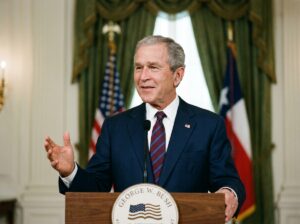
After leaving office in 2009, George W. Bush stepped away from daily politics and focused on personal interests and charitable work.
One surprising part of his retirement was his interest in painting. He also became involved in programs supporting veterans, military families, and global health efforts.
Barack Obama: Books, Speeches, and the Obama Foundation
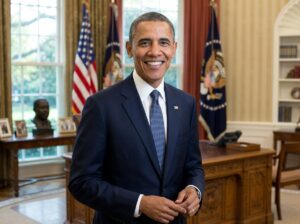
After leaving office in 2017, Barack Obama continued influencing public conversations through writing, speaking engagements, and community initiatives.
Together with Michelle Obama, he established the Obama Foundation, which focuses on leadership development and civic engagement.
Obama also released books and remained active on issues important to him.
Read More: Where Does Barack Obama Rank Among U.S. Presidents?
Donald Trump: Continuing Political Influence
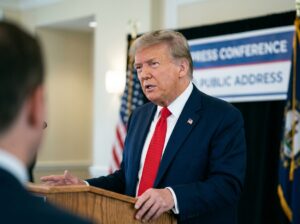
After leaving office in 2021, Donald Trump remained one of the most influential figures in American politics.
Unlike many former presidents who stepped away from political life, Trump continued holding rallies, commenting on national issues, and maintaining a strong connection with his supporters.
His continued political activity showed how former presidents can remain major forces in American public life even after leaving office.
Joe Biden: A New Chapter After the Presidency
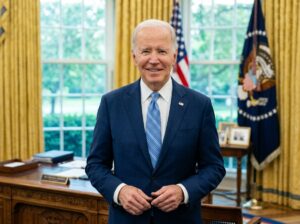
After leaving office in 2025, Joe Biden entered the next stage of his public life.
Like many former presidents, his post-presidential years are expected to include writing, public appearances, and involvement in causes important to him.
Former presidents often continue advising leaders, participating in discussions, and sharing their experiences after leaving office.
Read More: What Happened After Joe Biden Became President?
Life After the White House Is Different for Every President
There is no single path for former presidents after they leave office.
Some choose a quiet retirement away from politics. Others continue public service, build organizations, write books, or remain involved in national conversations.
The presidency may end when a leader leaves the White House, but for many presidents, their influence continues for decades afterward.
From Washington returning to Mount Vernon to modern presidents building global organizations, life after the White House has become an important part of every president’s story.