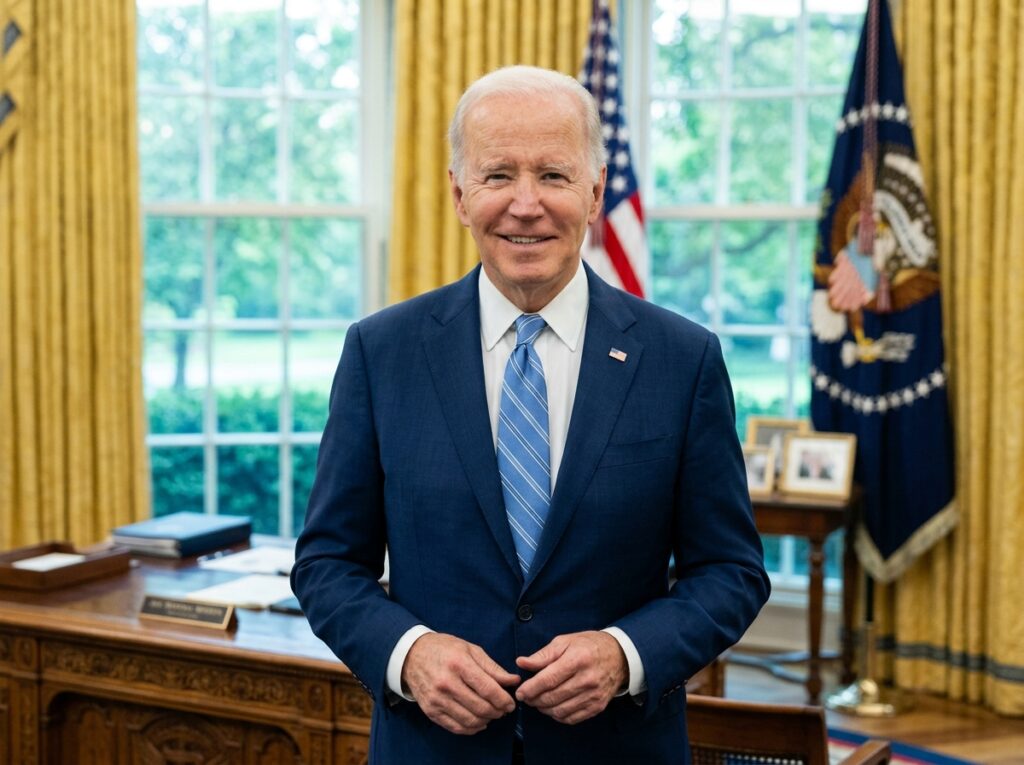
When Joe Biden was sworn in as the 46th president of the United States on January 20, 2021, he entered office during one of the most challenging periods in modern American history. The country was dealing with the COVID-19 pandemic, economic uncertainty, political division, and a rapidly changing global landscape.
Over the next four years, Biden’s administration introduced new policies, responded to major domestic and international events, and faced ongoing debates about the direction of the country. Whether people supported or opposed his agenda, his presidency was marked by several significant moments that shaped national conversations.
Here’s a look at some of the major developments that defined Joe Biden’s time in the White House.
Taking Office During a Historic Moment
Biden was inaugurated shortly after the 2020 presidential election, becoming the oldest person to assume the U.S. presidency at the time. His administration pledged to address the pandemic, strengthen the economy, rebuild alliances with international partners, and promote unity after a highly polarized election season.
The early months of his presidency focused heavily on responding to immediate national challenges.
Responding to the COVID-19 Pandemic
One of the administration’s first priorities was expanding COVID-19 vaccination efforts across the country.
Federal agencies worked with state and local governments to distribute vaccines, increase testing, and support healthcare providers. As vaccines became widely available, many public health restrictions were gradually eased, although new variants continued to present challenges.
The pandemic remained a major issue throughout the early part of Biden’s presidency.
Economic Recovery and Inflation
Following the economic disruption caused by the pandemic, the administration supported measures intended to stimulate economic growth, protect jobs, and assist families and businesses.
As the economy reopened, employment levels improved in many sectors. At the same time, the United States experienced a period of elevated inflation, leading to higher prices for food, housing, fuel, and other everyday expenses.
Supporters pointed to strong job growth and infrastructure investment, while critics argued that inflation placed significant financial pressure on households. Economic policy became one of the most debated aspects of Biden’s presidency.
The Bipartisan Infrastructure Law
One of the administration’s major legislative achievements was the Bipartisan Infrastructure Law, which provided funding for roads, bridges, airports, public transportation, broadband expansion, water systems, and other infrastructure projects.
Supporters described it as one of the largest long-term infrastructure investments in decades, while debates continued over funding priorities and implementation.
Foreign Policy Challenges
Biden’s presidency included several major international events that attracted global attention.
In 2021, the United States completed its military withdrawal from Afghanistan, ending America’s longest war. The withdrawal generated widespread debate over its planning and execution.
In 2022, Russia launched a full-scale invasion of Ukraine. The Biden administration worked with allies to provide military, humanitarian, and financial assistance to Ukraine while imposing sanctions on Russia.
The administration also continued strengthening relationships with NATO allies and maintained strategic competition with China on economic, technological, and security issues.
Climate and Clean Energy Initiatives
Climate policy remained another major focus throughout Biden’s presidency.
His administration supported investments in clean energy technologies, electric vehicles, renewable power, and efforts to reduce greenhouse gas emissions.
Supporters viewed these measures as important investments for the future, while critics raised concerns about costs, regulations, and the potential impact on traditional energy industries.
Immigration and Border Policy
Immigration continued to be one of the most closely watched issues during Biden’s presidency.
The administration made changes to several immigration policies while facing record numbers of migrant encounters at the U.S.-Mexico border during parts of his term.
The issue became a central topic in national political debates, with supporters and critics offering different views on border security, humanitarian responsibilities, and immigration reform.
Supreme Court and Student Loan Debate
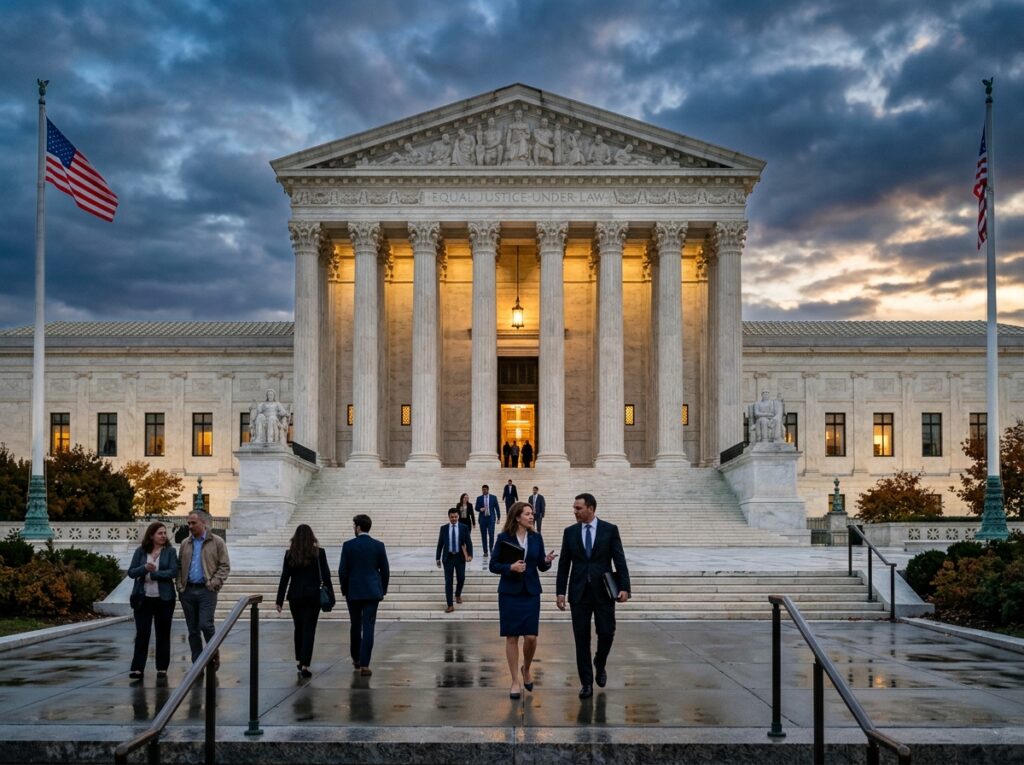
The Biden administration nominated and saw the confirmation of Justice Ketanji Brown Jackson to the U.S. Supreme Court, making history as the first Black woman to serve on the Court.
Another widely discussed issue involved efforts to forgive portions of federal student loan debt. While the administration announced broad debt relief plans, the U.S. Supreme Court blocked the initial proposal, leading to revised approaches using existing federal programs.
Public Opinion Throughout the Presidency
Like many presidents, Biden experienced changing approval ratings during his time in office.
Public opinion shifted in response to economic conditions, inflation, foreign policy events, immigration, legislative accomplishments, and other national issues.
Supporters highlighted investments in infrastructure, manufacturing, healthcare, and climate initiatives. Critics focused on inflation, border security, government spending, and concerns about leadership.
These differing perspectives reflected the broader political divisions present across the country.
The 2024 Election and the End of His Presidency
As the 2024 election approached, Biden initially sought another term. During the campaign, questions about age and political strategy became major topics of discussion.
He later ended his re-election campaign, and the Democratic Party selected Vice President Kamala Harris as its presidential nominee.
Following the election, Biden completed his term and left office in January 2025, continuing the long-standing tradition of the peaceful transfer of presidential power.
Looking Back at Biden’s Presidency
Joe Biden’s presidency took place during a period of significant change and ongoing challenges. From responding to a global pandemic and navigating economic recovery to addressing international conflicts and major domestic policy debates, his administration faced decisions that will continue to be studied for years to come.
Historians, political scientists, and the public will likely continue evaluating the long-term impact of his presidency as more time passes and the effects of his policies become clearer.
Like every American president, Biden’s legacy will be shaped by both his accomplishments and the debates that surrounded his time in office.