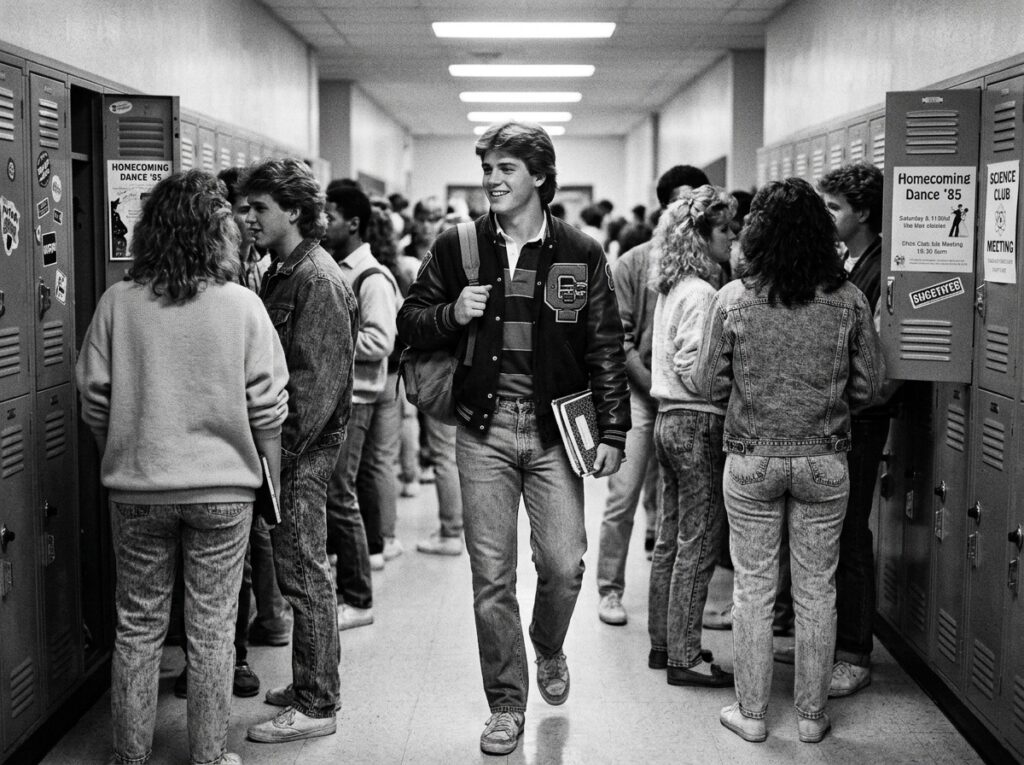
We all remember the hierarchy. The “cool kids” sat at the center table in the cafeteria, set the fashion trends, and dominated the social scene. Back then, it felt like the natural order of the universe.
But as we hit our 30s, 40s, and beyond, a strange thing happens at class reunions. You realize that the “popular” kids often aren’t the ones who ended up the most successful, well-adjusted, or even the most liked.
Psychology suggests there is a hidden reality behind school popularity that we were too young to understand at the time. It turns out, there are actually two very different types of “popular”—and one of them comes with a shelf life.
1. Status vs. Likeability: The Great Divide
Researchers, including psychologists like Dr. Mitch Prinstein, have identified that popularity isn’t a single category. It’s split into two distinct paths:
-
Status (Dominance): These were the kids everyone knew. They were visible, influential, and often a little bit intimidating. This type of popularity is built on power, clothes, and “coolness.”
-
Likeability (Affability): These were the kids people actually liked being around. They were kind, trustworthy, and made others feel included.
The twist? In high school, we often confused status with success. But status is often maintained through “social aggression”—gossip, exclusion, or putting others down to stay on top. While it works at 16, it’s a social dead-end in the adult world.
2. The “Pseudo-Mature” Trap
Ever wonder why the “coolest” kids in 8th grade often peaked early? A long-term study followed “cool” teens for a decade and found that those who engaged in “pseudo-mature” behavior (acting older, minor delinquency, focusing heavily on appearances) actually struggled more as adults.
Because they spent their energy maintaining an image, they often failed to develop the true social skills—like empathy and conflict resolution—required for long-term relationships and career growth.
3. The Power of the “Middle Ground”
While the “top tier” was busy defending their throne and the “bottom tier” was trying to survive, the kids in the middle were doing something brilliant: they were diversifying.
The “average” kids often had friends in different groups—band, sports, art, and academics. This taught them how to code-switch and communicate with all types of people. In the modern workplace, that’s called Emotional Intelligence (EQ), and it’s worth more than any homecoming crown.
The Reality Check: Where Are They Now?
| High School Trait | High School Reality | Adult Outcome |
| High Status | Feared/Admired | Higher risk of anxiety and “peaking” early. |
| High Likeability | Trusted/Kind | Higher career satisfaction and stable relationships. |
| Social Outcast | Isolated | Often develop high resilience and unique creative niches. |
Why This Matters Today
If you weren’t in the “in-crowd,” you might have spent years feeling like you missed out. But the hidden reality is that the social hierarchy of high school is a biological glitch.
Teenage brains are flooded with dopamine when they feel social prestige. As adults, our brains crave connection, not status.
The Bottom Line: If you left school feeling like you didn’t “fit in,” congratulations—you were likely busy developing a personality that actually works in the real world.
The kids who were truly “popular” weren’t the ones on the throne; they were the ones who were kind to the person sitting alone. And as it turns out, that’s the only kind of popularity that follows you home.
Did you find that the “cool kids” from your school changed the most? Or did the “quiet ones” end up surprising everyone? Let’s talk about it in the comments!