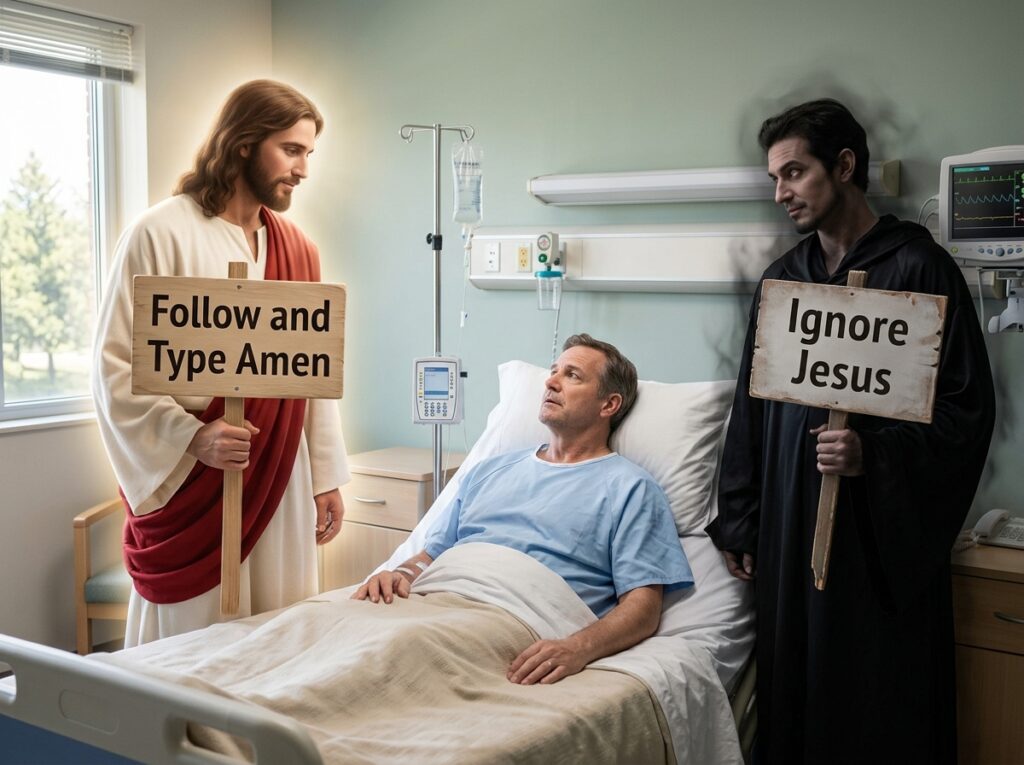
When sickness, pain, or uncertainty enters our lives, it is natural to look for hope. For Christians, the Bible provides many passages that speak about God’s compassion, His presence during suffering, prayer, faith, and the hope of restoration. Scripture does not ignore the reality of illness or hardship. Instead, it repeatedly reminds believers that God cares for those who are hurting.
So, what does the Bible say about healing?
The Bible presents healing in several ways. Sometimes Scripture describes physical healing, while other passages focus on emotional, spiritual, or ultimate restoration. The Bible also encourages believers to pray for the sick, trust God, support one another, and remember that God’s presence is not dependent on whether circumstances immediately change.
If you or someone you love is facing illness, these 15 Bible verses about healing can provide encouragement, comfort, and hope.
What Does the Bible Say About Healing?
The Bible contains many accounts of God healing people from sickness and physical suffering. Throughout both the Old and New Testaments, healing is connected with God’s compassion, power, mercy, and care for His people.
At the same time, Scripture does not teach that every illness will always disappear immediately when someone prays. Faith is not a guarantee that a particular medical outcome will happen on a particular timetable. Instead, biblical faith means trusting God while bringing our needs honestly before Him.
The Bible also encourages practical care. In the New Testament, believers are told to pray for those who are sick, and Scripture recognizes the importance of caring for one another during difficult seasons.
For Christians, healing can therefore be understood as both a present hope and an ultimate promise. God can bring physical healing, but He also offers spiritual strength, peace, comfort, and the hope of complete restoration.
1. Jeremiah 17:14 — A Prayer for Healing
Jeremiah 17:14 is one of the Bible’s direct prayers for healing. Jeremiah asks God to heal him and save him, placing his confidence in the Lord.
This verse reminds us that it is appropriate to bring our physical and emotional needs directly to God. Prayer does not require perfect words. Sometimes a simple request for help, strength, and healing is enough.
When you do not know what else to say, you can follow Jeremiah’s example and honestly bring your situation before God.
2. Psalm 147:3 — God Cares About the Brokenhearted
Psalm 147:3 speaks about God healing the brokenhearted and caring for their wounds.
Although the passage has a strong emotional and spiritual meaning, it offers an important reminder: God cares about people who are hurting.
Not every wound is visible. Someone may look healthy on the outside while carrying grief, fear, disappointment, or emotional pain. This verse encourages believers to remember that God sees those hidden struggles.
If your heart is hurting, you are not forgotten.
3. Isaiah 41:10 — Do Not Be Afraid
Isaiah 41:10 encourages God’s people not to live in fear because God promises His presence, strength, help, and support.
For someone facing a health problem, fear can become overwhelming. There may be uncertainty about the future, medical appointments, treatments, or recovery.
This passage does not promise that difficult circumstances will never happen. Instead, it points believers toward the presence of God in the middle of those circumstances.
Sometimes the greatest comfort is knowing that you do not have to face a difficult season alone.
4. Psalm 103:2–3 — Remember God’s Benefits
Psalm 103 encourages believers to remember God’s goodness and describes Him as the One who forgives and heals.
This passage encourages gratitude and remembrance. When life becomes difficult, it can be easy to focus exclusively on the current problem. Remembering God’s faithfulness can help shift our attention toward His character and past acts of mercy.
For someone praying for healing, this can become a meaningful prayer of remembrance: thanking God for His goodness while continuing to ask Him for help.

5. Exodus 15:26 — The Lord Who Heals
In Exodus 15:26, God reveals Himself to Israel using language associated with healing.
This passage is significant because healing is presented as part of the way Scripture describes God’s character.
It reminds believers that God is compassionate toward human suffering. At the same time, Christians should avoid turning this passage into a promise that every individual illness will immediately disappear.
Instead, it can encourage us to place our confidence in God and seek Him when we are hurting.
6. Psalm 30:2 — A Personal Testimony of Healing
Psalm 30:2 contains a simple expression of gratitude to God for healing.
The verse illustrates something important about biblical prayer: believers can both ask God for help and thank Him for His mercy.
If you have experienced recovery from an illness, you can use passages like this as a reminder to express gratitude. And if you are still waiting for improvement, the verse can encourage you to continue bringing your concerns to God.
7. Proverbs 4:20–22 — God’s Words Bring Life
Proverbs 4 encourages readers to pay attention to wisdom and describes God’s words as bringing life and health.
The passage emphasizes the importance of allowing God’s wisdom to influence the way we live.
Healing in the Bible is not always discussed only in terms of a miraculous physical event. Scripture also connects well-being with wisdom, obedience, healthy relationships, peace, and a life centered on God.
This makes Proverbs 4 especially meaningful for anyone seeking a broader biblical understanding of health and restoration.
8. Matthew 11:28 — Come to Jesus When You Are Weary
In Matthew 11:28, Jesus invites weary and burdened people to come to Him for rest.
Although this passage is not specifically a promise of physical healing, it speaks directly to people carrying heavy burdens.
Illness can affect more than the body. It can bring emotional exhaustion, anxiety, frustration, and spiritual questions.
Jesus’ invitation reminds believers that they can come to Him with those burdens rather than carrying them alone.
9. Mark 5:34 — Faith and Encouragement
Mark 5 records an encounter between Jesus and a woman who had suffered from a long-term illness. After her healing, Jesus speaks words of encouragement to her.
This story demonstrates Jesus’ compassion toward people who are suffering and shows how personally He treated those who came to Him.
It also reminds readers that people dealing with long-term health struggles deserve dignity, compassion, and hope.
The story should not be used to blame sick people for a lack of faith. Instead, it points attention toward Jesus’ compassion and power.
10. Luke 6:19 — Jesus Healed the Sick
Luke 6:19 describes people coming to Jesus and experiencing healing.
The healing ministry of Jesus is an important part of the New Testament. The Gospel accounts repeatedly show Him responding to people who were sick, hurting, or suffering.
These accounts reveal something about Jesus’ character: He was not indifferent toward human suffering.
For Christians today, these stories provide a foundation for prayer and hope while also encouraging compassion toward people experiencing illness.
11. James 5:14–15 — Pray for the Sick
James 5 gives specific instructions concerning someone who is sick. The passage encourages the person to call church elders and describes prayer in connection with the person’s situation.
This is one of the clearest passages in the New Testament about praying for people who are ill.
It also highlights the importance of community. When someone is sick, they do not have to face the situation in isolation. Family members, friends, church communities, and caregivers can provide prayer, encouragement, practical support, and companionship.
The passage encourages believers to take illness seriously while bringing it before God in prayer.
12. Psalm 41:3 — God Sustains the Sick
Psalm 41 describes God’s care for someone who is sick and speaks about sustaining the person during illness.
This verse can be especially comforting because healing is not the only form of God’s care.
Sometimes a person needs strength to get through another day. Sometimes they need peace while waiting for answers. Sometimes they need people around them who will provide practical help.
God’s care can be experienced through many forms of support and encouragement.
13. 3 John 1:2 — A Prayer for Well-Being
In 3 John 1:2, the writer expresses a desire that the recipient would prosper and be in good health.
This short passage reflects the biblical concern for a person’s overall well-being.
It can serve as a simple prayer for someone who is sick:
“Lord, please give them strength, peace, wisdom, and the care they need. Help them through this season and surround them with people who will encourage them.”
Sometimes a short prayer like this can mean a great deal to someone who is struggling.
14. Revelation 21:4 — A Future Without Suffering
Revelation 21:4 points toward the ultimate Christian hope: a future in which death, mourning, crying, and pain are no longer present.
This is one of the most powerful passages to remember when discussing biblical healing.
The Bible’s story does not end with sickness, suffering, or death. It points toward restoration and a future where suffering will ultimately be overcome.
For Christians facing serious or long-term illness, this promise can provide hope beyond the circumstances of the present moment.
15. Isaiah 53:5 — Hope in God’s Redemptive Work
Isaiah 53:5 speaks about suffering, healing, and restoration in a passage Christians have traditionally understood as pointing toward the suffering of Christ.
The verse is important because it connects healing with God’s larger work of redemption.
Christians differ in how they understand the precise relationship between this passage and physical healing today. However, the broader message is clear: suffering does not have the final word in God’s redemptive story.
For believers, the cross of Christ is ultimately a source of hope that God is working toward restoration.
Does the Bible Promise That Everyone Will Be Physically Healed?
This is an important question because people can sometimes misunderstand biblical teaching about healing.
The Bible contains many genuine accounts of miraculous healing, and Christians are encouraged to pray for healing. However, Scripture does not say that every person who prays will necessarily receive immediate physical healing.
The Bible itself contains examples of faithful people experiencing suffering and illness. The New Testament also encourages believers to persevere through hardship rather than assuming that difficulty automatically means someone lacks faith.
Therefore, someone who remains sick should never be told that their illness proves they do not have enough faith.
Prayer and medical care do not have to be treated as enemies. Christians can pray for healing while also seeking appropriate medical attention, following professional advice, taking prescribed treatment, and accepting support from family and friends.
Faith can exist alongside medical treatment.
What Should Christians Do When Someone Is Sick?
When someone is sick, one of the most helpful things Christians can do is pray for them.
But prayer is not the only way to show love.
You can also visit or call them when appropriate, help with practical responsibilities, provide meals, encourage them with Scripture, listen to their concerns, or simply sit with them.
Avoid saying things that make the person feel guilty for being sick. Statements such as “You just need more faith” can be deeply discouraging.
Instead, offer compassion and remind them that their value is not determined by their health.
Sometimes the most Christlike response is simply to say, “I’m here for you, and I’m praying for you.”
How Can You Pray for Healing?
A prayer for healing does not need to be complicated.
You can begin by acknowledging God and bringing the person’s situation honestly before Him. Ask for physical healing, wisdom for doctors and caregivers, strength, peace, and emotional comfort.
You can also ask God to help the person’s family and friends as they walk through the situation together.
Most importantly, prayer can express trust in God while honestly acknowledging uncertainty.
Here is a simple example:
“Heavenly Father, please bring healing, strength, and peace to this person. Give wisdom to everyone caring for them and comfort their family during this difficult time. Help them not to lose hope, and remind them that they are never alone. Amen.”
Bible Verses for Someone in the Hospital
If someone you love is currently in the hospital, you may want to share a few encouraging Scriptures with them.
Consider these passages:
- Psalm 23 — God’s presence and guidance
- Psalm 34:17–18 — God is near to those who are hurting
- Psalm 41:3 — God’s sustaining care
- Psalm 46:1 — God as a refuge and source of strength
- Psalm 103:2–3 — God’s mercy and healing
- Isaiah 41:10 — Courage and God’s presence
- Matthew 11:28 — Rest for the weary
- James 5:14–15 — Prayer for the sick
- Revelation 21:4 — The hope of a future without suffering
You do not need to send dozens of verses at once. Sometimes one carefully chosen passage accompanied by a sincere message can be more encouraging than a long list.
What Does the Bible Say About Faith During Illness?
Faith during illness does not mean pretending that everything is easy.
The Bible contains prayers of sadness, fear, confusion, and desperation. Many biblical figures openly expressed their struggles to God.
Faith can mean continuing to turn toward God even when you do not understand what is happening.
It can mean praying when you feel hopeful and praying when you feel discouraged. It can mean asking difficult questions while still believing that God cares.
Most importantly, faith does not require someone to deny reality. A person can acknowledge pain, seek medical help, ask for prayer, and still place their ultimate trust in God.
Healing Can Also Mean Spiritual and Emotional Restoration
When people hear the word “healing,” they often think only about physical illness. However, the Bible frequently addresses the whole person.
Someone may need healing from grief, fear, bitterness, guilt, loneliness, or spiritual exhaustion.
Jesus repeatedly cared about people’s physical needs while also addressing their deeper spiritual condition.
This broader understanding of healing can be especially meaningful because not every form of suffering is visible.
Someone who is physically healthy may still be carrying significant emotional pain. Offering kindness, forgiveness, prayer, friendship, and encouragement can become an important part of helping someone through a difficult season.
Keep Hope When the Answer Takes Time
One of the hardest parts of praying for healing is waiting.
When an answer does not come quickly, it can be tempting to become discouraged. You may wonder whether God has heard your prayer or whether your situation will ever change.
The Bible repeatedly encourages believers to persevere.
Waiting does not necessarily mean that God has abandoned you. Sometimes the journey involves uncertainty, patience, medical treatment, support from others, and continued prayer.
During a long season of illness, focus on one day at a time. Ask for strength for today rather than becoming overwhelmed by everything that might happen tomorrow.
Final Thoughts: God Is Near to Those Who Are Hurting
So, what does the Bible say about healing?
The Bible shows that God cares about people who are sick and suffering. It contains accounts of miraculous healing, encourages believers to pray for the sick, and repeatedly points people toward God’s compassion and presence.
At the same time, Scripture does not teach that every illness will immediately disappear simply because someone prays. Christian hope is deeper than receiving a particular outcome on a particular timetable.
Whether someone is waiting for physical healing, recovering from an illness, dealing with emotional pain, or supporting a loved one in the hospital, the message of Scripture remains one of hope.
God sees those who are hurting. He invites people to bring their burdens to Him, encourages believers to care for one another, and promises ultimate restoration.
If you are praying for healing today, do not be afraid to bring your request honestly before God. Pray for healing. Seek appropriate care. Accept support from people who love you. And remember the biblical hope that suffering will not have the final word.
May God give you strength, peace, wisdom, and hope during every difficult season. Amen.
Frequently Asked Questions About Healing in the Bible
Does the Bible say God can heal sickness?
Yes. The Bible contains numerous accounts of God healing people and describes healing as part of God’s power and compassion. Christians therefore have biblical reasons to pray for healing.
Does everyone who prays for healing get healed?
Not necessarily. Scripture encourages prayer for the sick, but it does not promise that every person will receive immediate physical healing. Christians can continue praying while also seeking appropriate medical care and support.
What is a good Bible verse for someone who is sick?
Psalm 41:3, Isaiah 41:10, Psalm 34:17–18, Matthew 11:28, and James 5:14–15 are all meaningful passages to consider when encouraging someone who is sick.
What should I say to someone who is sick?
Offer sincere encouragement without making promises about their medical outcome. You might say, “I’m praying for you,” “You are not alone,” or “I’m here if you need anything.” Practical help and compassionate listening can also be extremely valuable.
Can Christians pray for healing and see a doctor?
Yes. Prayer and medical care can be practiced together. A Christian can ask God for healing while also seeking qualified medical advice and following appropriate treatment.
What is the ultimate Christian hope concerning suffering?
Revelation 21:4 points toward the Christian hope of a future where suffering, mourning, crying, and pain will ultimately be no more. This gives believers hope that suffering does not have the final word.
A Short Prayer for Healing
Lord, please bring comfort and strength to everyone reading this who is facing sickness or caring for someone who is ill. Give them peace during uncertainty, wisdom for every decision, and strength for each day. May they experience love and support from the people around them and continue to place their hope in You. Amen.